
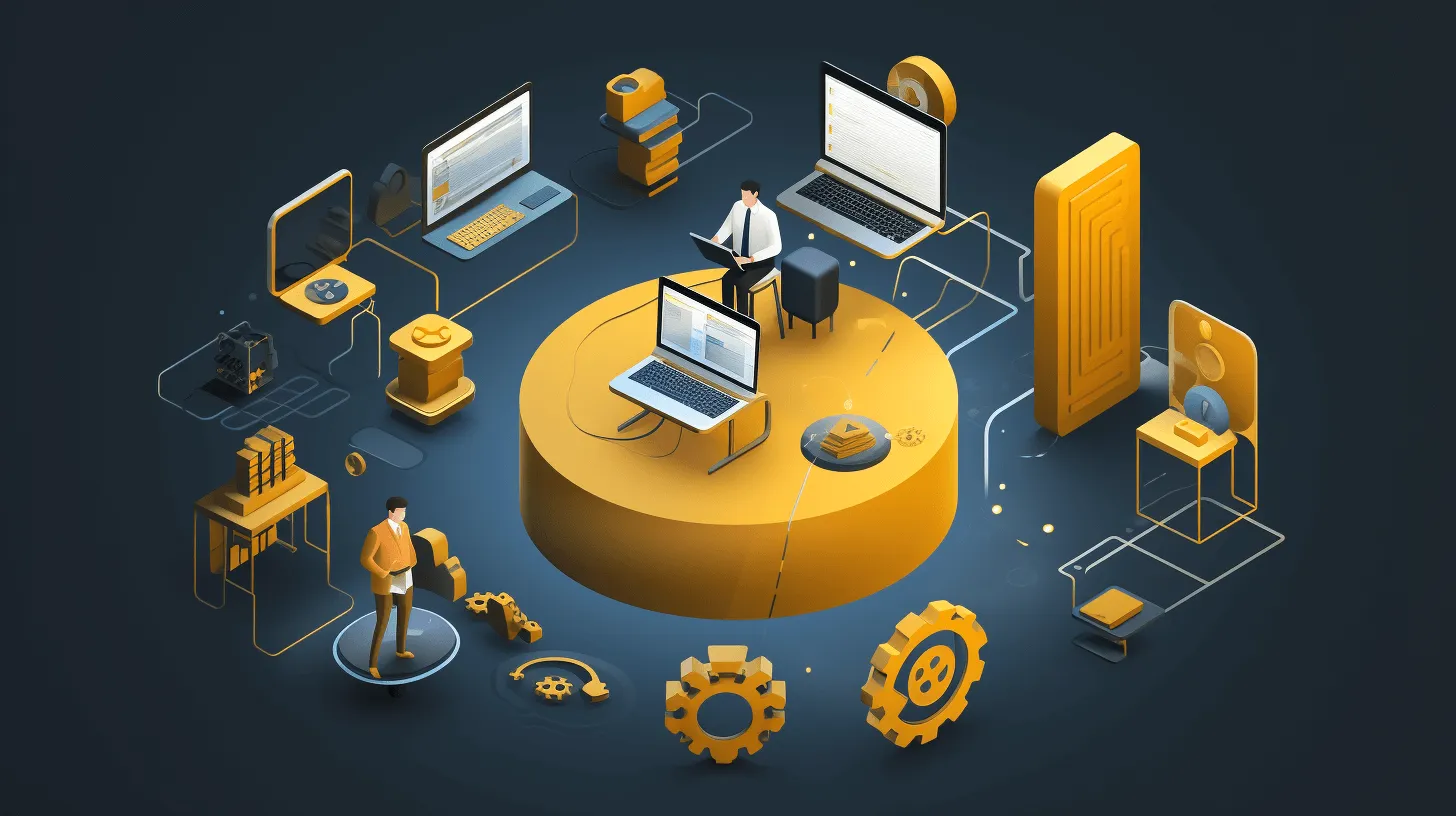
Vision and Mission in IT Services Building Sustainable Business Growth

In the dynamic world of IT services, a clear vision and mission are essential for driving sustainable business growth. These guiding principles shape strategies, foster innovation, and align teams toward achieving long-term objectives.


The Importance of Vision

A vision statement provides a forward-looking goal that inspires and directs an organization. In IT services, this might mean striving to become a leader in delivering cutting-edge technology solutions, ensuring businesses can thrive in a digital-first world. A strong vision helps organizations stay focused amidst market changes and technological disruptions.

Crafting a Mission

A mission defines how a company plans to achieve its vision. For IT service providers, this involves delivering high-quality, customer-focused solutions that drive efficiency and innovation. It encompasses values like reliability, adaptability, and a commitment to excellence.
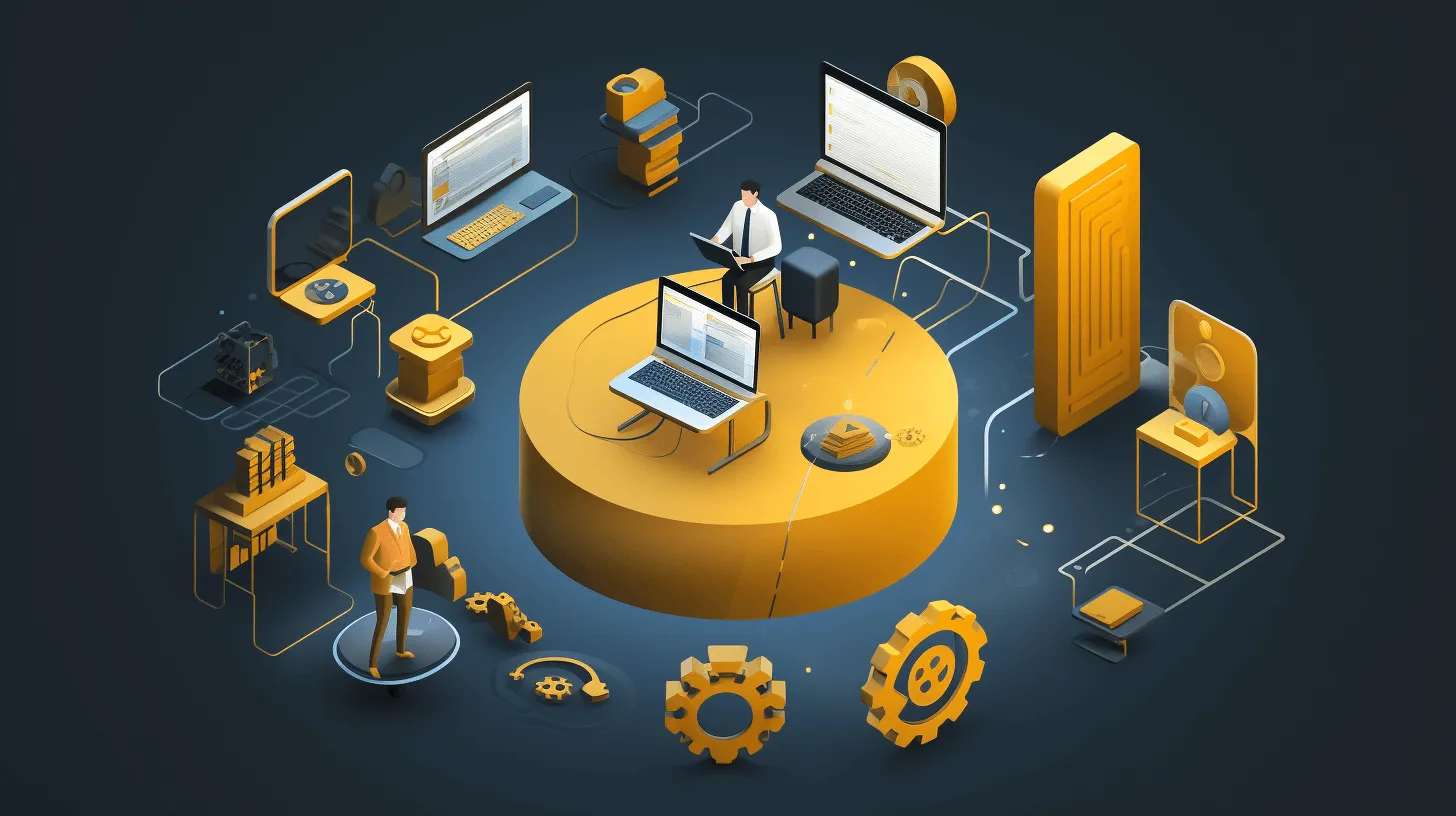
Linking Vision and Mission to Growth

By aligning daily operations with their mission and vision, IT companies can build trust with clients and stakeholders. This alignment drives consistent performance, fosters customer loyalty, and creates opportunities for market expansion.

Innovation and Sustainability

A forward-thinking vision often includes sustainability goals. IT service providers can contribute by adopting eco-friendly practices, such as using energy-efficient data centers and promoting green computing. Sustainability not only reduces environmental impact but also appeals to socially conscious clients.

Building a Culture of Excellence

When employees understand and embrace the company’s mission and vision, they are more motivated and engaged. This culture of excellence ensures high-quality service delivery and continuous improvement, essential for staying competitive in the fast-evolving IT landscape.

Conclusion

Vision and mission are more than statements; they are the foundation of sustainable business growth. For IT service providers, these guiding principles ensure clarity, drive innovation, and promote sustainability. By fostering a shared sense of purpose, businesses can build stronger teams, deliver exceptional solutions, and achieve long-term success.


Data Center Solutions: The Backbone of Modern IT Infrastructure

In the digital era, data centers serve as the cornerstone of IT infrastructure, enabling businesses to manage and leverage their data effectively. These facilities ensure seamless data storage, processing, and retrieval, supporting everything from daily operations to long-term strategic planning.


Key Features of Modern Data Centers

Modern data centers integrate advanced technologies such as cloud computing, virtualization, and artificial intelligence to optimize performance. These solutions enhance resource utilization, enable real-time data access, and provide the scalability businesses need to grow without interruptions.

Energy Efficiency and Sustainability

Energy consumption is a significant consideration for data centers. By adopting energy-efficient designs, renewable energy sources, and advanced cooling techniques, modern data centers contribute to sustainability while reducing operational costs.

Role in Business Continuity and Compliance

Data centers are designed to ensure high availability, with redundancies in power, networking, and storage to prevent downtime. They also play a critical role in helping organizations meet compliance requirements for data security and privacy.

Driving Innovation and Competitiveness

With reliable data center solutions, businesses can innovate faster, leverage big data insights, and maintain a competitive edge. By hosting critical applications and supporting digital transformation, data centers empower organizations to adapt to a rapidly changing market.

Conclusion

Investing in data center and network solutions is essential for building a robust IT backbone. These technologies not only protect critical assets but also drive efficiency, scalability, and innovation. As businesses continue to embrace digital transformation, robust IT infrastructure will remain the foundation of long-term success.

Empowering Seamless Communication & Collaboration in Every Workspace

Collaboration in Every Workspace

In today’s fast-paced world, effective communication and collaboration are the backbone of any successful organization. Empowering teams with the right tools and strategies not only enhances productivity but also fosters innovation and inclusivity. Here’s how seamless communication and collaboration can transform workspaces:


Embracing Technology

Leverage modern communication tools like Slack, Microsoft Teams, or Zoom for instant and organized communication.Adopt project management platforms such as Asana, Trello, or Monday.com to ensure clarity and streamline workflows.

Encouraging Transparency

Open channels for feedback and discussions help build trust among team members. Regular updates and meetings ensure everyone is aligned with the organization’s goals.

Promoting Inclusivity

Ensure all voices are heard by creating safe spaces for discussions. Use tools like real-time translation services to break language barriers in global teams.

Streamlining Processes

Centralize resources and documents with cloud solutions like Google Workspace or SharePoint to allow easy access and collaboration. Implement automated notifications and reminders to keep tasks on track.

Investing in Training

Conduct workshops to familiarize employees with new tools and foster a culture of adaptability. Provide soft skills training to enhance interpersonal communication.

Conclusion

Seamless communication and collaboration go beyond just tools—it’s about creating a culture of connection, respect, and efficiency. By empowering teams with the right resources and strategies, organizations can unlock their full potential and achieve unparalleled success in every workspace.